
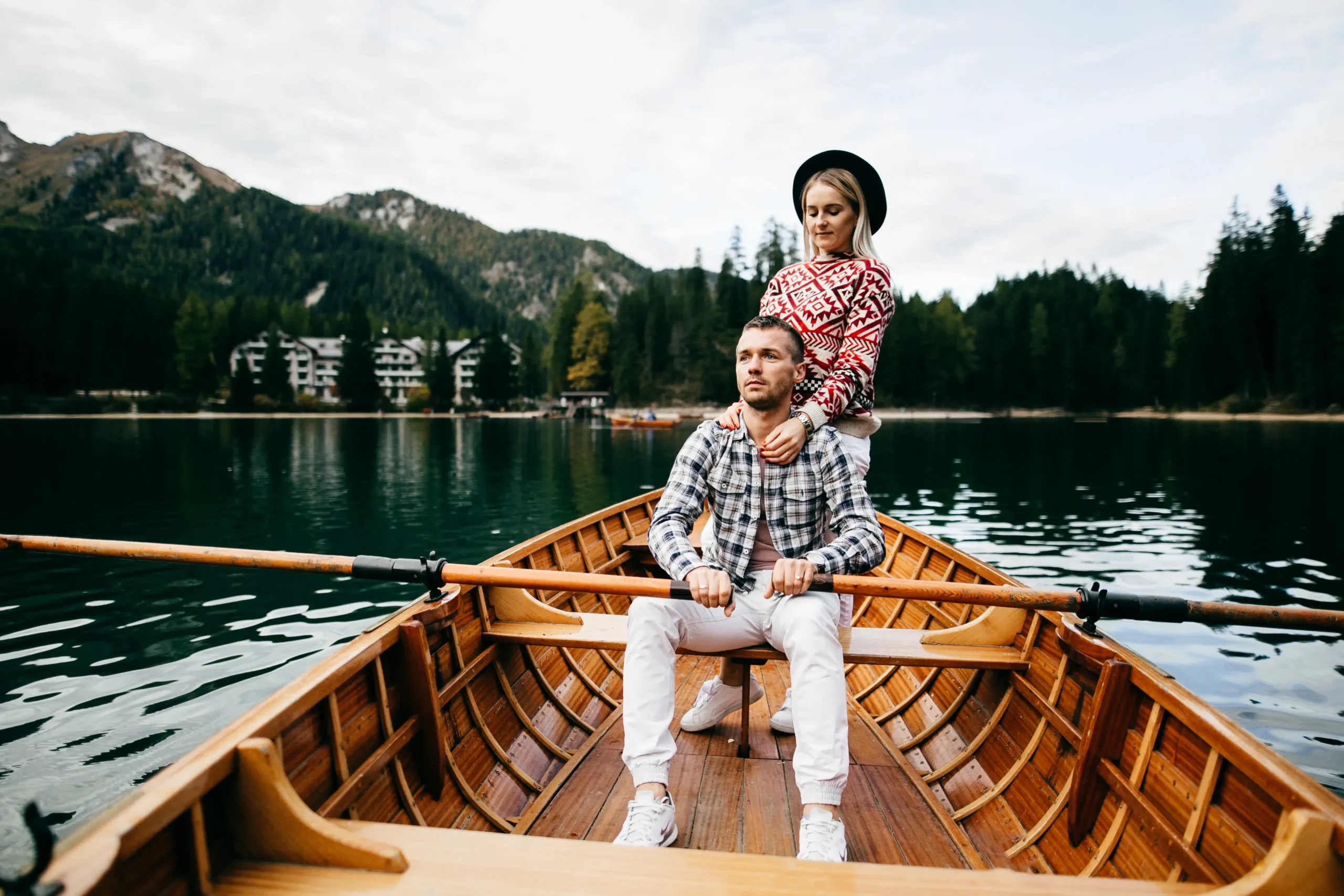
When you hear the word veneajelu, you may think it means just a boat ride. In Finland, though, it’s far more than that. Veneajelu is part of daily life, a cherished tradition that connects people with nature, family, and community. With thousands of lakes, rivers, and access to the Baltic Sea, boating has become a natural way of living. For Finns, veneajelu is relaxation, culture, and adventure all rolled into one.
In this article, we’ll explore the history, traditions, destinations, activities, and practical tips that make veneajelu so special. Whether you’re a traveler planning a trip or just curious about Finnish culture, this guide will show you why veneajelu is more than transport it’s a lifestyle.
What Does Veneajelu Mean in Finland?
At its simplest, veneajelu translates to “boat ride.” But in Finland, the meaning runs deeper. The country has around 188,000 lakes, countless rivers, and a vast coastline. Boats were once essential for survival, used for fishing, trade, and travel. Over time, boating evolved into a recreational activity something families and friends look forward to during the long summer days.
Today, veneajelu is a way to slow down, enjoy the beauty of nature, and spend quality time outdoors. It can mean rowing a wooden boat at sunset, sailing across Helsinki’s archipelago, or cruising with friends to a small island for a picnic.
The Historical Roots of Veneajelu
From necessity to leisure
In earlier centuries, boats were lifelines. Wooden rowboats connected villages, carried goods, and supported fishing communities. As technology advanced, boats became faster and more efficient, but they also grew into a cultural symbol. By the 20th century, veneajelu shifted from necessity to leisure.
Summer cottages and boating
Families who escaped to their summer cottages or mökki often considered veneajelu part of daily cottage life. A sunny afternoon almost always included a ride on the lake. This tradition continues today, blending modern boats with old customs.
Cultural Significance of Veneajelu in Finnish Life
For Finns, water is more than scenery it’s identity. Veneajelu represents simplicity, balance, and closeness to nature.
-
Family bonding: Children learn to row or steer boats from a young age.
-
Social connections: Friends gather for group boat rides, swimming, and barbecues.
-
Tradition: Families pass down boats for generations, keeping cultural roots alive.
In summer festivals, decorated boats parade across lakes and archipelagos, reminding everyone that veneajelu is both personal and communal.
Popular Destinations for Veneajelu
Helsinki and the Gulf of Finland
Helsinki’s archipelago, with its countless islands, makes veneajelu unforgettable. You can see landmarks like the Helsinki Cathedral, Suomenlinna fortress, or the bustling Market Square all from the water.
Lake Saimaa
The largest lake in Finland, Saimaa, offers endless islands, quiet bays, and the chance to spot the rare Saimaa ringed seal.
Åland Islands
Between Finland and Sweden, these islands mix maritime culture with natural beauty. Clear waters and calm harbors make them perfect for veneajelu.
The Archipelago Sea
Known as the world’s largest archipelago with over 40,000 islands, this destination is often called the jewel of Finnish boating.
Types of Boats Used in Veneajelu
-
Rowboats – Traditional and peaceful, ideal for lakes and quiet evenings.
-
Motorboats – Fast and practical, used for family trips and exploring archipelagos.
-
Sailboats – For those who enjoy the wind’s guidance and a slower, skillful journey.
-
Canoes and kayaks – Gaining popularity for eco-friendly, intimate rides close to the water.
Each type of boat reflects a different side of veneajelu whether for relaxation, sport, or tradition.
Activities to Enjoy During Veneajelu
-
Fishing: Pike, perch, or salmon are common catches.
-
Swimming: On hot days, boaters anchor near islands for a refreshing dip.
-
Island picnics: Families carry sausages, coffee, and cinnamon buns for meals on the rocks.
-
Stargazing: Evenings end with campfires on islands, under skies filled with stars.
Veneajelu is never just about moving on water it’s about creating moments.
Best Time of Year for Veneajelu
-
Summer (June–August): Long days, warm weather, and the midnight sun make this the most popular season.
-
Spring: As ice melts, the excitement of returning to the water begins.
-
Autumn: Crisp air, colorful foliage, and reflective waters offer a different mood.
-
Winter: While lakes freeze, coastal areas may still allow larger boats to operate.
Each season gives veneajelu a unique charm.
Practical Tips for First-Time Travelers
-
Always wear a life jacket, no matter your swimming skills.
-
Dress in layers; Finnish weather changes quickly.
-
Respect local boating etiquette slow speeds near cottages and nature areas.
-
Carry snacks, water, and a camera to capture memories.
-
Beginners can book guided veneajelu tours for safety and ease.
Food and Drinks on a Veneajelu Trip
Food is part of the fun. Many Finns bring:
-
Grilled sausages (makkara)
-
Coffee in thermos flasks
-
Cinnamon buns (korvapuusti)
-
Fresh berries picked from nearby forests
Eating outdoors, surrounded by water, makes these simple foods taste extraordinary.
Veneajelu for Tourists vs. Locals
For locals, veneajelu is tradition. It’s part of childhood memories, summer weekends, and family bonding.
For tourists, veneajelu offers a glimpse into Finnish life. Guided tours in Helsinki are common, but renting a boat in rural Finland gives a more authentic feel. The contrast between city boating and lake boating shows the variety of experiences possible.
Cost and Booking Options in Finland
Veneajelu can fit any budget:
-
Rowboat rentals: €10–€30 per day
-
Motorboats: €50–€150 per day, depending on size
-
Guided tours: €30–€80 per person
-
Luxury yachts: €200+ per day for private experiences
Many booking platforms and local harbors offer online reservations, making it easy for visitors.
Eco-Friendly Veneajelu Practices for the Future
As Finland leads in sustainability, veneajelu is evolving:
-
Electric motors reduce pollution.
-
Sailing remains an eco-friendly choice.
-
Leave no trace rules are followed strictly on islands.
-
Local communities promote eco-tourism to protect fragile ecosystems.
This ensures veneajelu remains enjoyable for future generations.
Community Stories and Festivals Linked to Veneajelu
During midsummer (Juhannus), families gather on boats to celebrate the midnight sun. Communities host boat parades, decorate vessels, and share music and food. These events highlight veneajelu as a living tradition uniting people across generations.
FAQs About Veneajelu
Is veneajelu safe for beginners?
Yes. With life jackets and guided tours, it’s safe and enjoyable.
Do I need a license to rent a boat in Finland?
For small boats, no license is required. For larger motorboats, experience or proof of skills may be needed.
Can I do veneajelu in Helsinki?
Absolutely. The capital’s archipelago is one of the best places to try it.
What’s the best time for veneajelu?
Summer is ideal, but spring and autumn offer quieter, equally beautiful experiences.
Conclusion: Why Veneajelu Is Worth Experiencing
At its heart, veneajelu is not just about boating it’s about life, culture, and balance. It combines Finnish traditions with nature’s beauty, offering relaxation and connection. Whether you’re rowing a wooden boat at sunset, sailing past Helsinki’s skyline, or exploring the archipelagos, veneajelu is unforgettable.
For Finns, it’s a way of life. For visitors, it’s an invitation to slow down, breathe, and see Finland through its waters. Next time you’re in the Nordic region, step on a boat you’ll understand why veneajelu is one of Finland’s most cherished traditions.